Pre-order EWatch.
EWatch is a programmable ESP32-S3 smartwatch and dev board. Code it by hand like any other Arduino board, or describe what you want and let an LLM write the firmware. Three ways in — bare board, build-it-yourself kit, or wrist-ready. Designed and assembled in the UK by Ewan Wills.
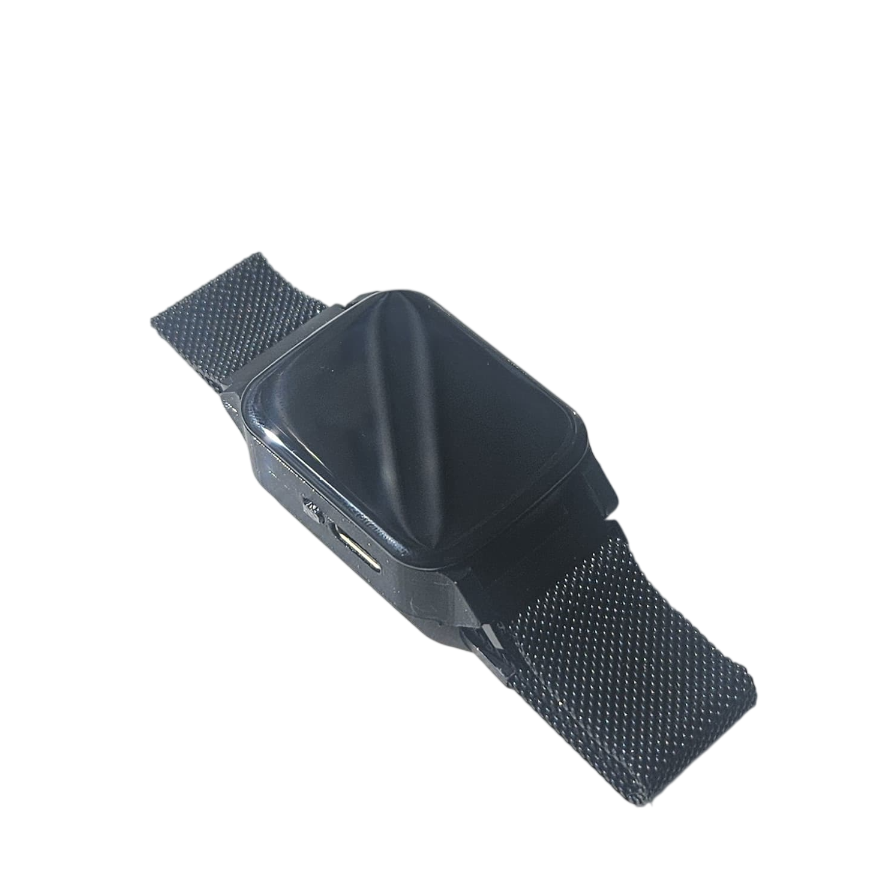
Bare board, build-it-yourself, or wrist-ready.
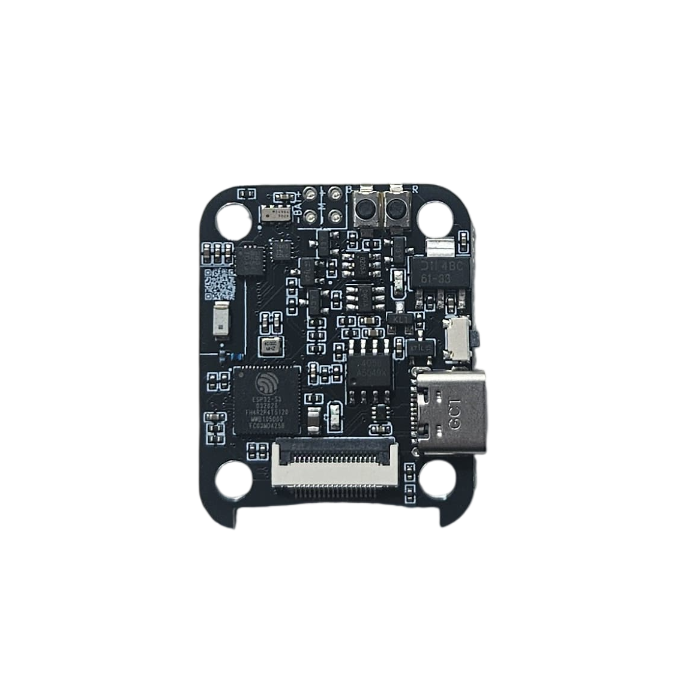
The PCB
Just the board and the screen. ESP32-S3, USB-C, display connector — assembled and bring-up tested. Bring your own battery, strap, and enclosure.
- EWatch mainboard (assembled)
- 1.69" touch display
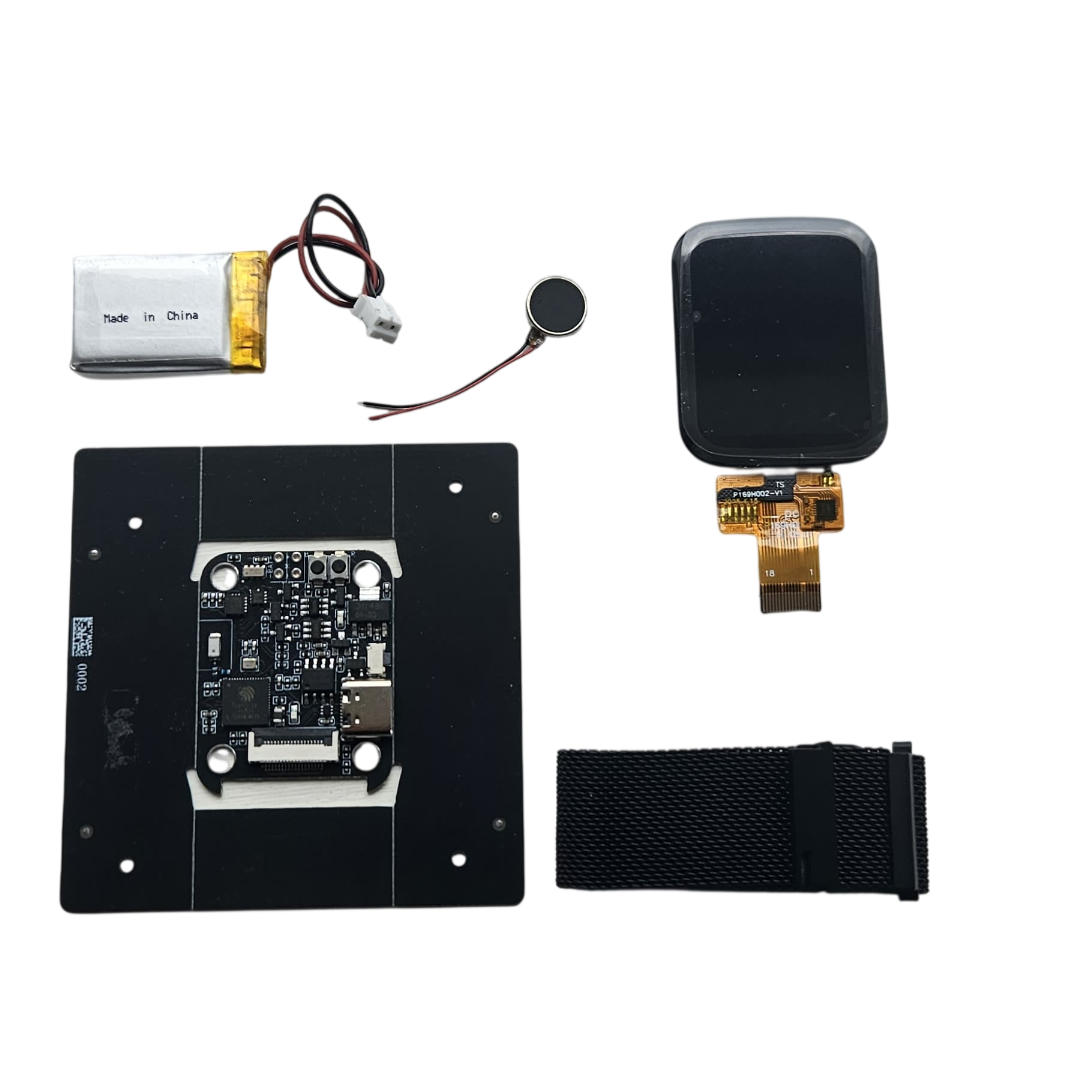
The Kit
Every part of the watch, laid out for a one-afternoon build. PCB, screen, battery, vibration motor and strap, plus the case CAD files so you can print, mill, or send out an enclosure of your own.
- EWatch mainboard
- 1.69" touch display
- 350 mAh battery
- Vibration motor
- Strap
- Case CAD files (On request)
The Watch
Fully assembled, tested, pre-flashed. Open the box, charge it, and start writing watch faces.
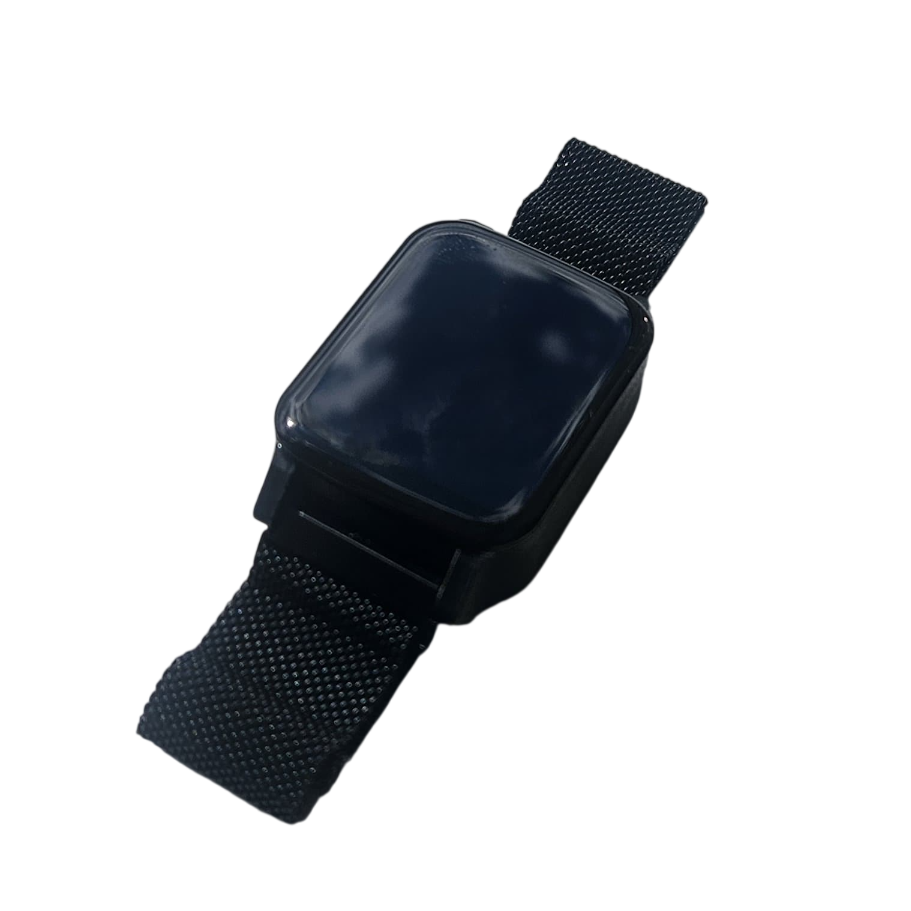
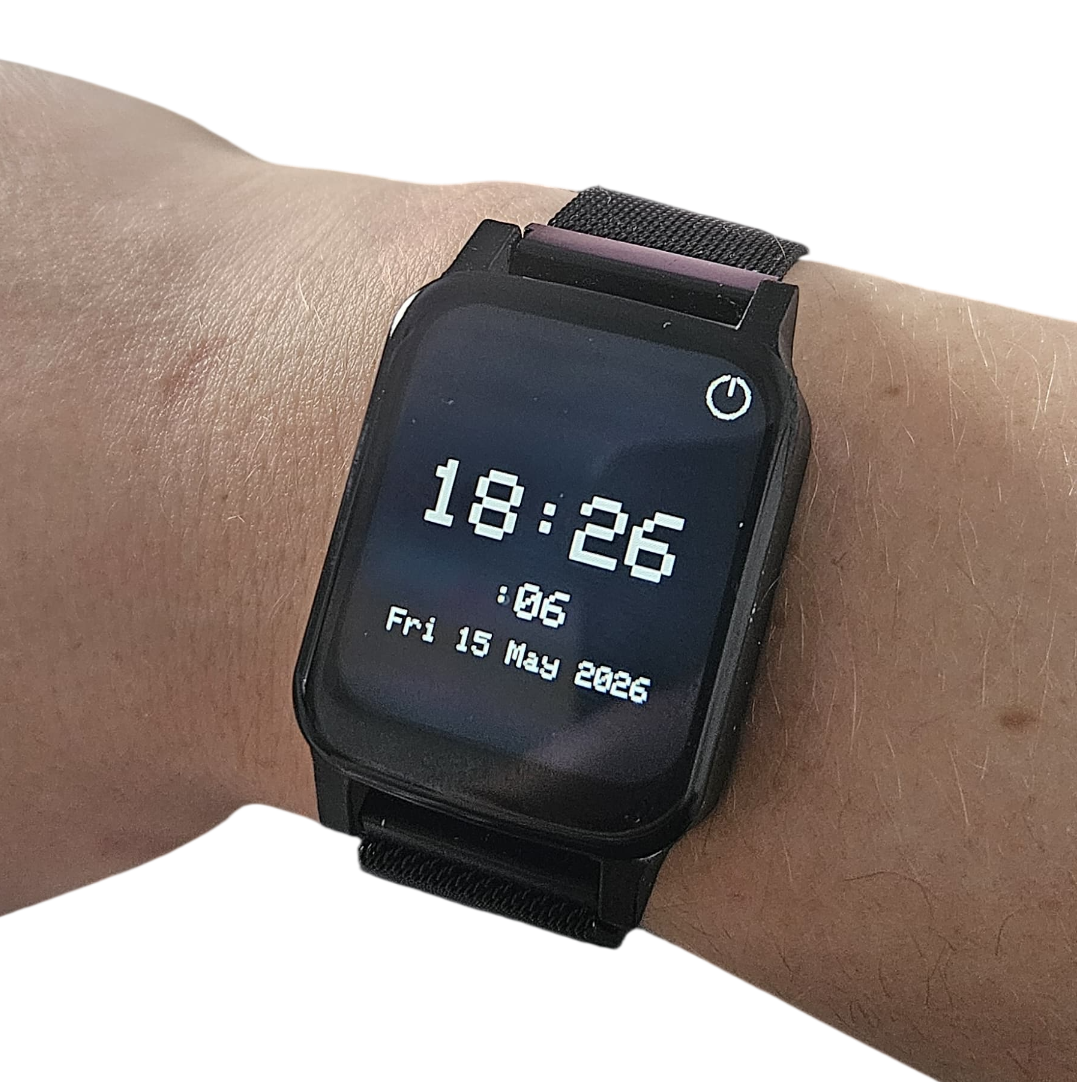
- Fully assembled EWatch
- Free USB-C programming cable
- Pre-flashed with latest EWatchOS
Beginner-friendly. Expert-ready.
EWatch is a full ESP32-S3 development board in a wrist-sized package. Use it like a Feather or a Watchy, or paste the open-source drivers and an example project into your LLM and let it write firmware for you. Same hardware, your choice of abstraction.
Open-source drivers
Drivers for display, touch, IMU, BLE, charging and sleep modes. Call display.text(), imu.steps(), ble.notify(). Everything's on GitHub.
Reference watch faces
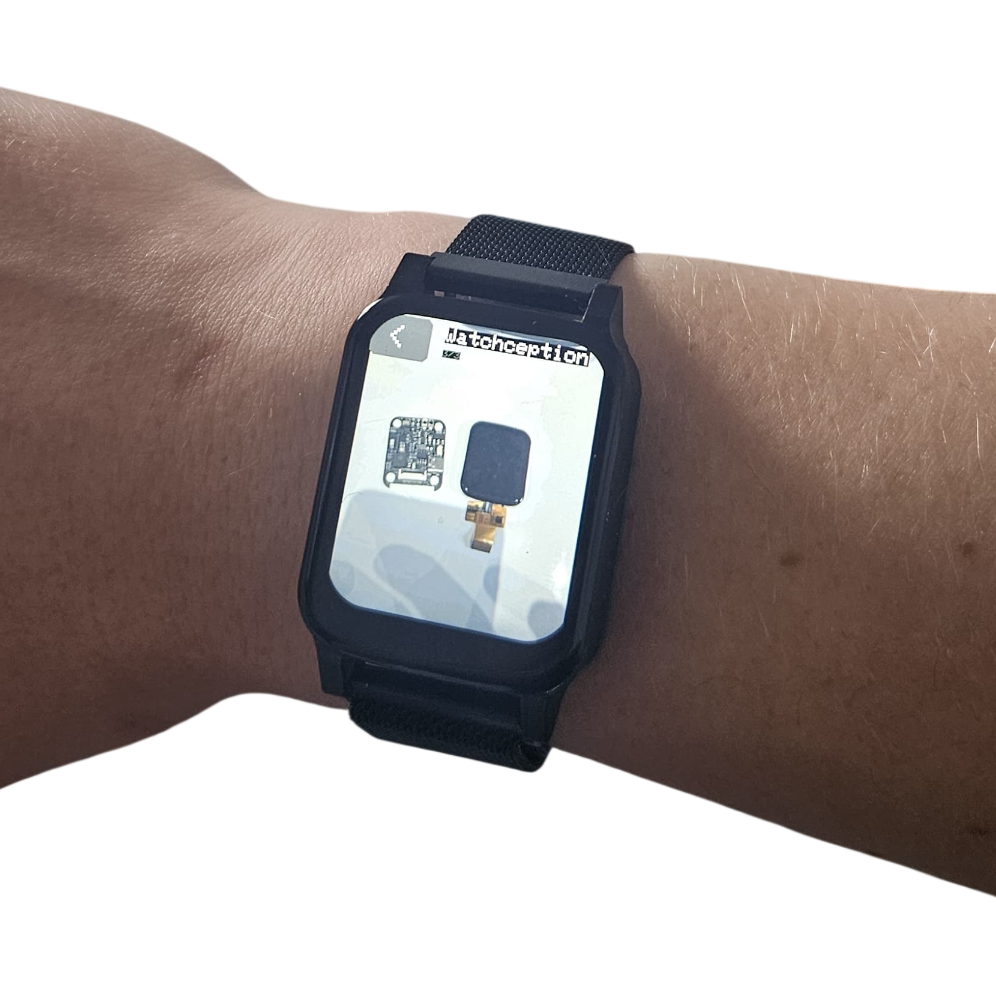
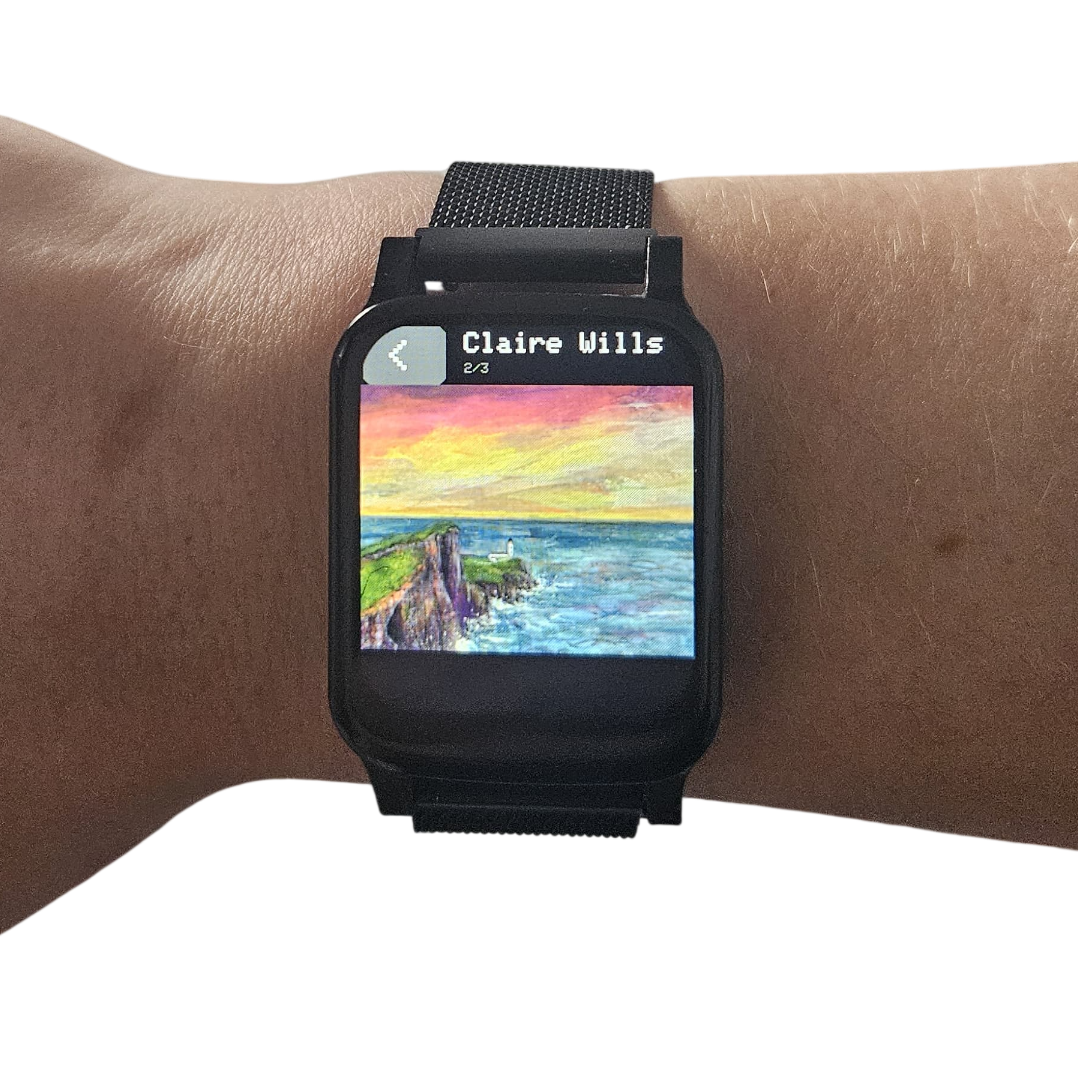
Working watch faces you can browse and fork in EWatch Cloud. Read them, tweak them, flash them — they double as ground-truth context for any LLM you point at the platform.
Vibe-code with an LLM
I run Claude Code inside PlatformIO with the driver headers and one example pasted in as context. Ask for a watch face that shows your next meeting and vibrates 5 minutes before — I find it works first try, because the model's grounded in code that's already running.
Standard ESP32-S3 board
Underneath it's a vanilla ESP32-S3 dev board. Program it from Arduino IDE, PlatformIO, or ESP-IDF in C, C++, MicroPython or Rust.
Drop to the metal
Drive peripherals over I²C / UART, write to registers, fold it into your own RTOS task graph — the drivers are open source, so when you outgrow them you can read them.
From hobby to product
Start with the LLM. Drop down to the driver layer when you need precision. Drop to bare-metal when you need every microamp. Same hardware grows with you from first sketch to shipping product.
Hardware, documented.
From schematic to wrist.
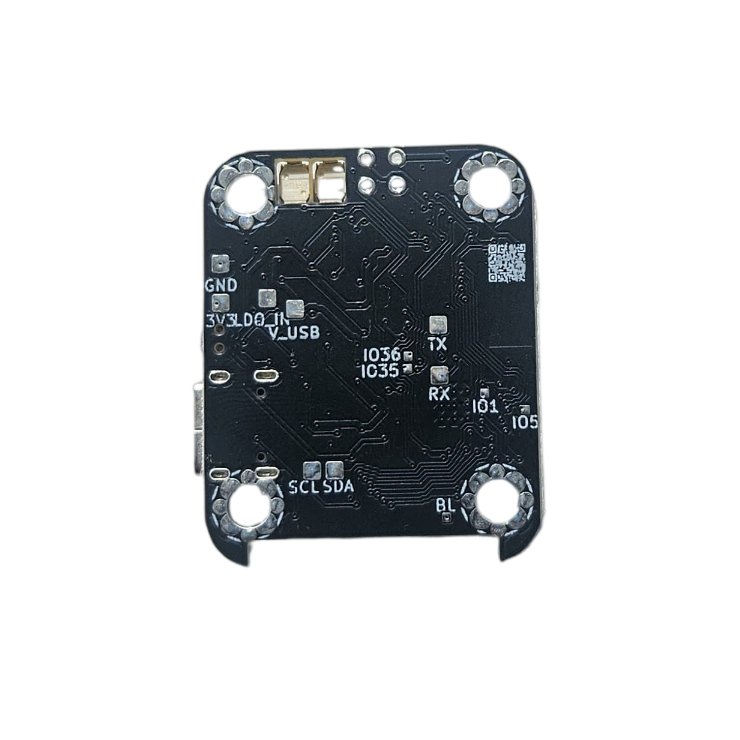
EWatch Cloud.
Next up is EWatch Cloud — a browser-based studio for writing, compiling, and flashing firmware to your watch, no toolchain to install. It'll ship with an AI assistant grounded in real EWatch code that helps you build watch faces and apps, plus a small marketplace to share or sell what you make. In development, arriving after the first watches ship. Email to be added to the waitlist.